
The Idahome Six: Six Pillars of Independence
School is about more than the next assignment. At Idahome Academy, academic knowledge becomes capability, capability creates independence, and independence expands opportunity. Our six pillars provide the practical framework for what students learn to do with their growing knowledge.
College readiness is essential. Life readiness is the broader promise.
The Idahome Six does not replace college-preparatory academics, Idaho Content Standards or required assessments. It gives students age-appropriate opportunities to practice using academic knowledge: thinking independently, learning new skills, managing practical decisions, creating value, caring for personal wellbeing and using technology wisely. The aim is a graduate prepared for further education, work and the unexpected responsibilities of adult life.
Character
Develop integrity, independent judgment, thoughtful conviction and the courage to stand on their own two feet and do what is right.
Learning
Become a curious, resourceful lifelong learner who can tackle unfamiliar challenges.
Work & Wealth
Learn how money, work, value creation, entrepreneurship and responsible financial decisions connect.
Food & Self-Reliance
Understand nutrition and how food is grown, chosen, prepared, stored and safely preserved.
Physical Capability
Build health awareness, practical readiness and confidence appropriate to each student’s abilities.
Technology
Use AI and technology wisely while protecting privacy and independent thinking.
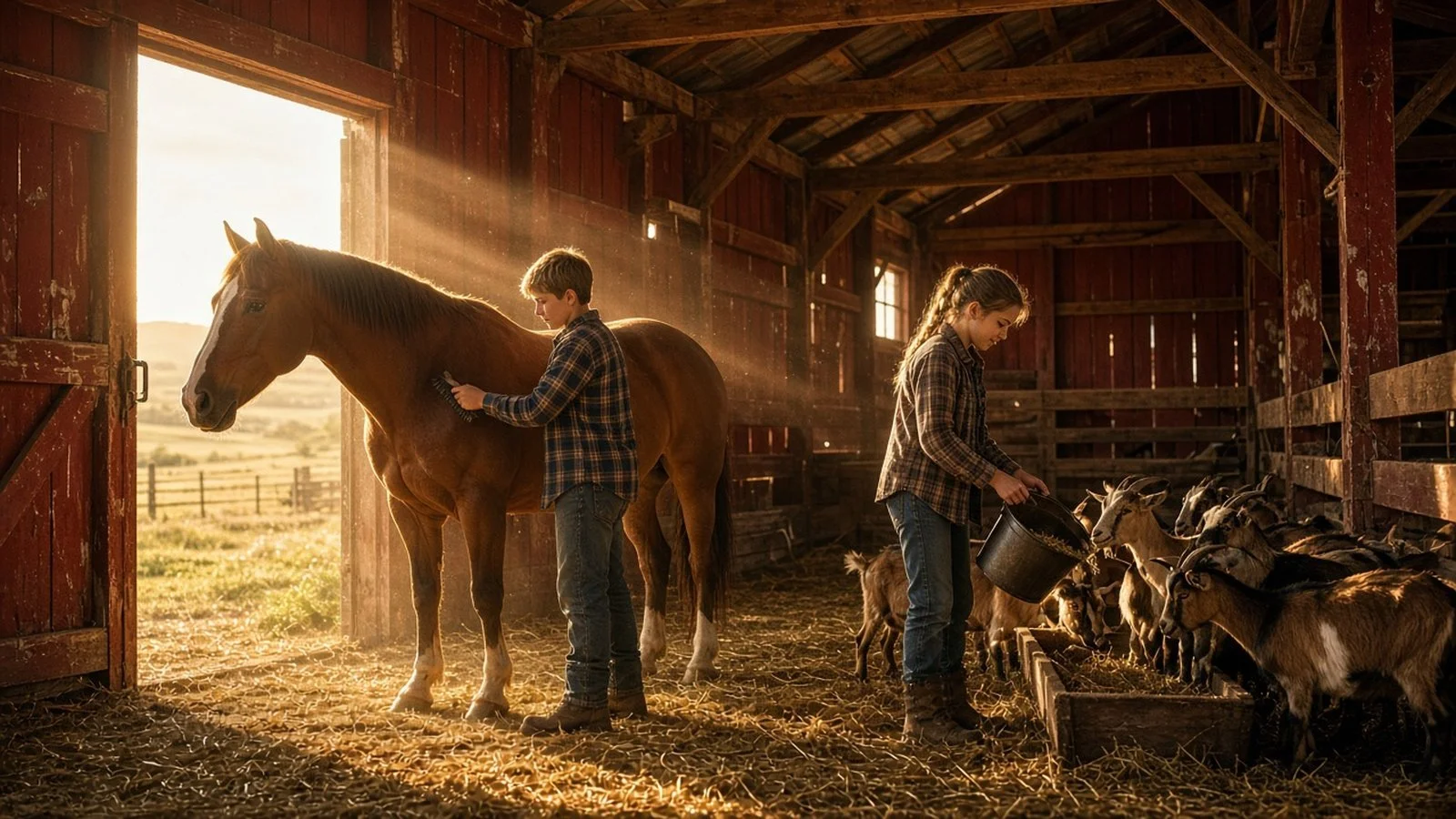
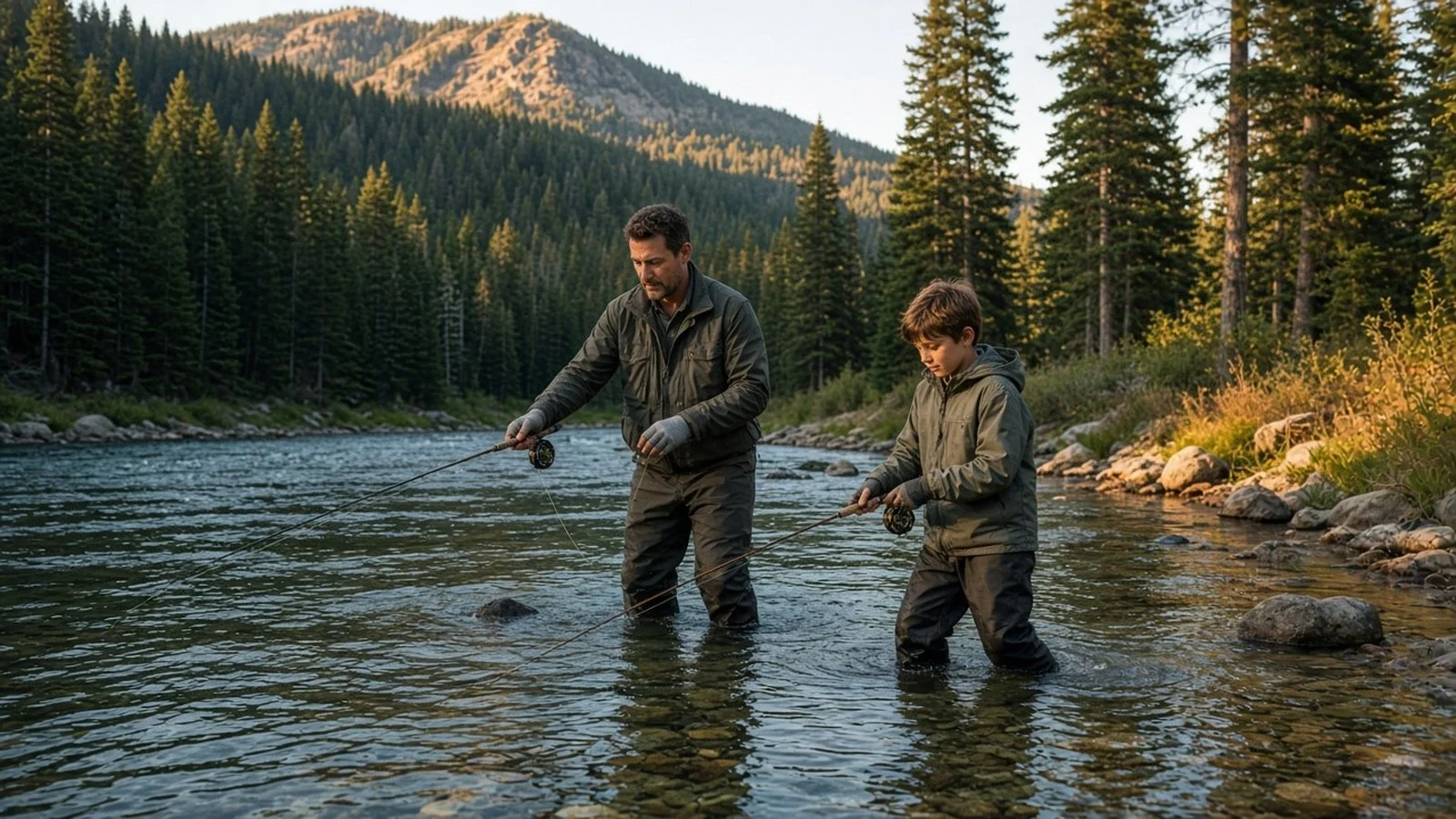
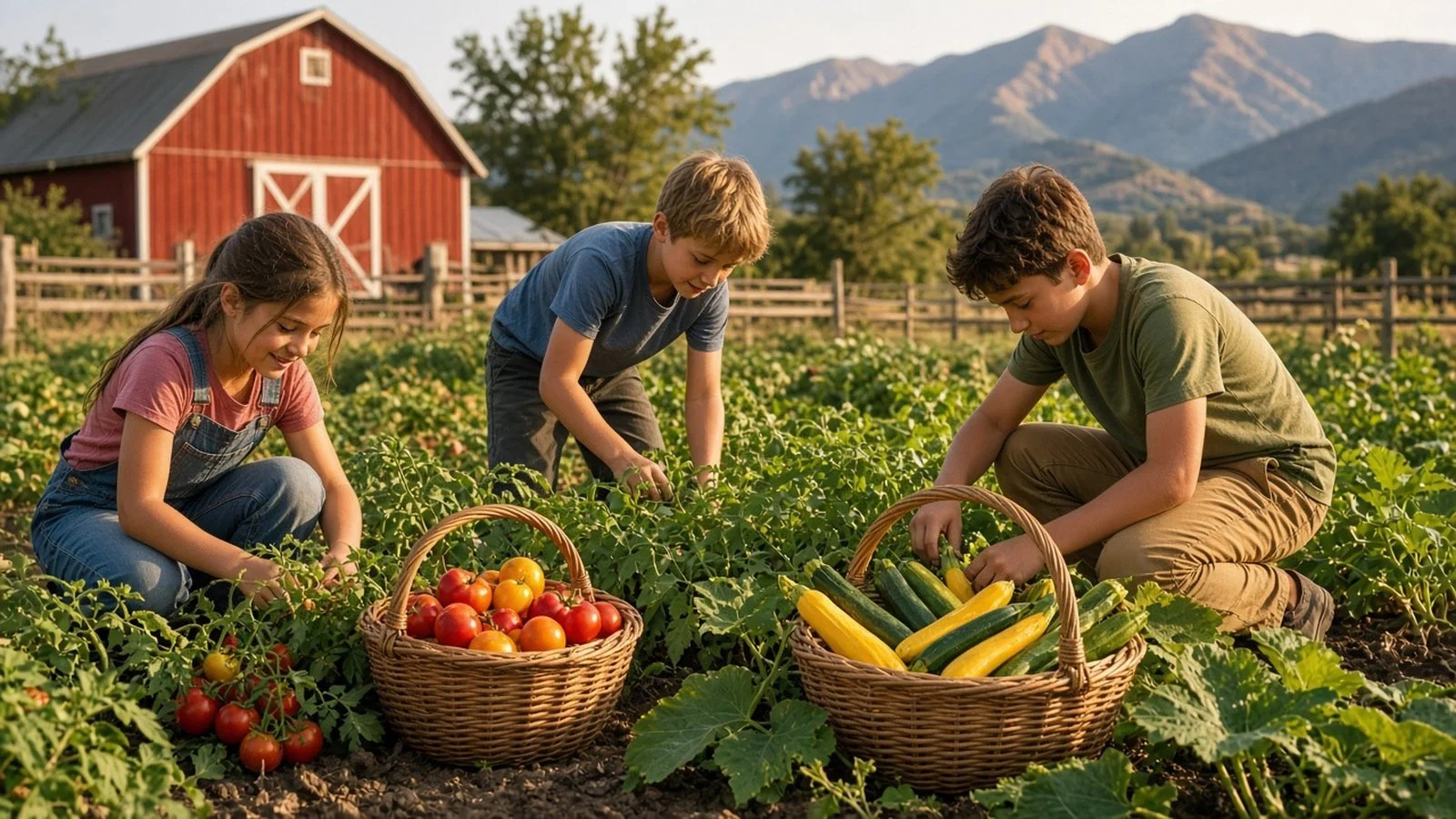
The Idahome Six describes the capabilities our graduates grow; The Twelve Practices of Idahome Academic Excellence describes how teachers design, deliver and improve the education. Both sit alongside, never in place of, Idaho Content Standards. Our age-appropriate projects are teacher-directed, assessed for individual learning and available with accessible, low-cost alternatives.
ILLUSTRATIVE EXAMPLES
Grade-band examples
Independence grows with practice. These examples show how learning can build capability from kindergarten through graduation. Specific activities will vary according to grade, course, teacher design, accessibility, and available resources.
Character
Stand firm, listen well, and act responsibly.
| Grade band | Illustrative student experience |
|---|---|
| K–2 | Practice kindness, keep promises, and explain why a choice is fair. |
| 3–5 | Work through disagreements respectfully and take responsibility for mistakes. |
| 6–8 | Explore peer pressure, trustworthiness, and respectful debate using everyday scenarios. |
| 9–12 | Evaluate ethical tradeoffs in work, business, community service, and digital life. |
Learning
Become a curious, resourceful lifelong learner.
| Grade band | Illustrative student experience |
|---|---|
| K–2 | Ask a question, try a strategy, and tell someone what helped you learn. |
| 3–5 | Create a simple plan to learn a new skill, then reflect on progress. |
| 6–8 | Compare sources, organize independent work, and revise a plan after feedback. |
| 9–12 | Design and explain an independent inquiry, including sources, setbacks, and next steps. |
Work & Wealth
Understand money, create value, and manage opportunity.
| Grade band | Illustrative student experience |
|---|---|
| K–2 | Identify needs and wants, practice saving play money, and describe a simple exchange. |
| 3–5 | Make a sample budget and compare prices or unit costs. |
| 6–8 | Design a hypothetical product, track expenses, and explain tradeoffs and potential earnings. |
| 9–12 | Build a business proposal with simple bookkeeping, cash-flow assumptions, and tax-literacy research. |
Food & Self-Reliance
Learn to choose, grow, prepare, preserve, and provide nutritious food.
| Grade band | Illustrative student experience |
|---|---|
| K–2 | Observe a seed or teacher-supplied plant images and plan a balanced snack. |
| 3–5 | Read food labels, create a meal plan, and investigate safe food storage. |
| 6–8 | Compare food costs and nutrition, and demonstrate safe preparation practices. |
| 9–12 | Investigate household food provision, food systems, preservation, and supply choices. |
Physical Capability
Build healthy habits, practical skills, and real-world confidence.
| Grade band | Illustrative student experience |
|---|---|
| K–2 | Practice safe movement, daily safety habits, and knowing when to ask for help. |
| 3–5 | Set an appropriate personal activity goal and explore outdoor or household safety. |
| 6–8 | Prepare an emergency-readiness checklist and practice adaptive problem-solving. |
| 9–12 | Design a practical wellness and preparedness plan suited to individual abilities. |
Technology
Use powerful tools wisely while keeping independent judgment.
| Grade band | Illustrative student experience |
|---|---|
| K–2 | Practice asking permission before sharing information and checking whether a digital answer makes sense. |
| 3–5 | Learn account safety basics, question online claims, and create a simple digital project. |
| 6–8 | Compare sources, protect digital privacy, and test AI output for errors. |
| 9–12 | Use technology for research or entrepreneurship, document decisions, and protect personal data. |
Independent judgment runs through all six
Independent judgment belongs in every pillar. Students learn to ask good questions, compare evidence, recognize inappropriate pressure or manipulation, consider other perspectives, and make responsible decisions. They practice standing by their values while remaining open to new information and respectful disagreement. Independent judgment is not a seventh pillar; it is a habit developed through all six.
| Pillar | How independent judgment appears |
|---|---|
| Character | Choose integrity over peer pressure while disagreeing respectfully. |
| Learning | Question assumptions, evaluate sources, and revise a view when evidence changes. |
| Work & Wealth | Compare financial choices, identify misleading offers, and consider long-term consequences. |
| Food & Self-Reliance | Evaluate food claims, affordability, safety, and household needs. |
| Physical Capability | Assess risks, seek qualified guidance, and make sound health and safety decisions. |
| Technology | Check AI responses, protect privacy, and decide when to step away from a tool. |
ILLUSTRATIVE PROJECTS
Grade-band project cards
The best learning is something students can use. These projects are illustrations of what applied learning might look like; they are not promised assignments or a requirement that families buy special materials.
Seed to Story
Driving question: Where does our food come from?
Observe a seed or pictures of plant growth, count and record changes, and explain what plants need to grow.
Academic and pillar connections: Science • reading • mathematics • Food & Self-Reliance
Accessible option: No garden required; teacher-provided photos or observations are enough.
Plan a Healthy Plate
Driving question: Can we make thoughtful food choices on a budget?
Use nutrition information and sample prices to plan a balanced meal, practice measurement, and explain tradeoffs.
Academic and pillar connections: Reading • math • Food & Self-Reliance • Work & Wealth
Accessible option: Uses fictional household information; no real financial disclosure or purchases.
Solve a Local Challenge
Driving question: How could our community use resources wisely?
Investigate a question about water, food waste, or access to services, compare evidence, and present a recommendation to peers.
Academic and pillar connections: Science • math • writing • Technology • Learning
Accessible option: Teacher-provided data makes participation possible from home.
Create a Business That Helps
Driving question: Can a small enterprise meet a real need?
Research a hypothetical product or service, develop a budget and cash-flow plan, evaluate AI-assisted suggestions, and explain the proposal.
Academic and pillar connections: Economics • mathematics • writing • Work & Wealth • Character • Technology
Accessible option: No spending, registration, or family business required.
Photos are illustrative and do not show actual Idahome students or families.